
Newsletter Archive
Get the latest form Brain Body Health by signing up for the newsletter!
My mission is to be the first woman in 4 generations to not develop Alzheimer’s Disease (AD). On my journey of discovering ways to mitigate my risk, I pass this information on to you in this Brain-Body-Health (BBH) Newsletter. Sign up today.
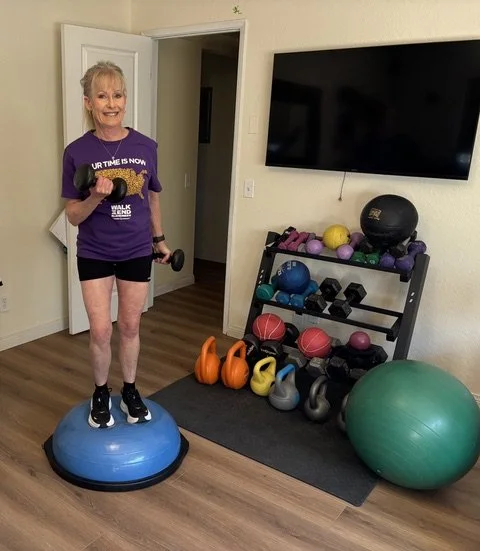
I grew up flipping through TV channels as a kid, and one day I hit upon this smallish man in a black jumpsuit with protruding biceps and ballet-like shoes, teaching exercises. Remember Jack LaLanne? He was the first person to introduce us women to exercise, and specifically to strength training, or what was called back then “muscle building.” I was captivated by his vitality and his feats, like the time at age 60 he re-created his famous Alcatraz swim, this time handcuffed and shackled, towing a 1,000-pound boat behind him across the frigid waters from Alcatraz Island to…
“Motion is the new lotion”
-Mary Ann Landis
The best medicine for your brain is… EXERCISE!!! Exercise is truly your very own super-duper super power. Let's break down the WHY, WHAT KIND, WHEN, and HOW this incredible resource can make us happier and…
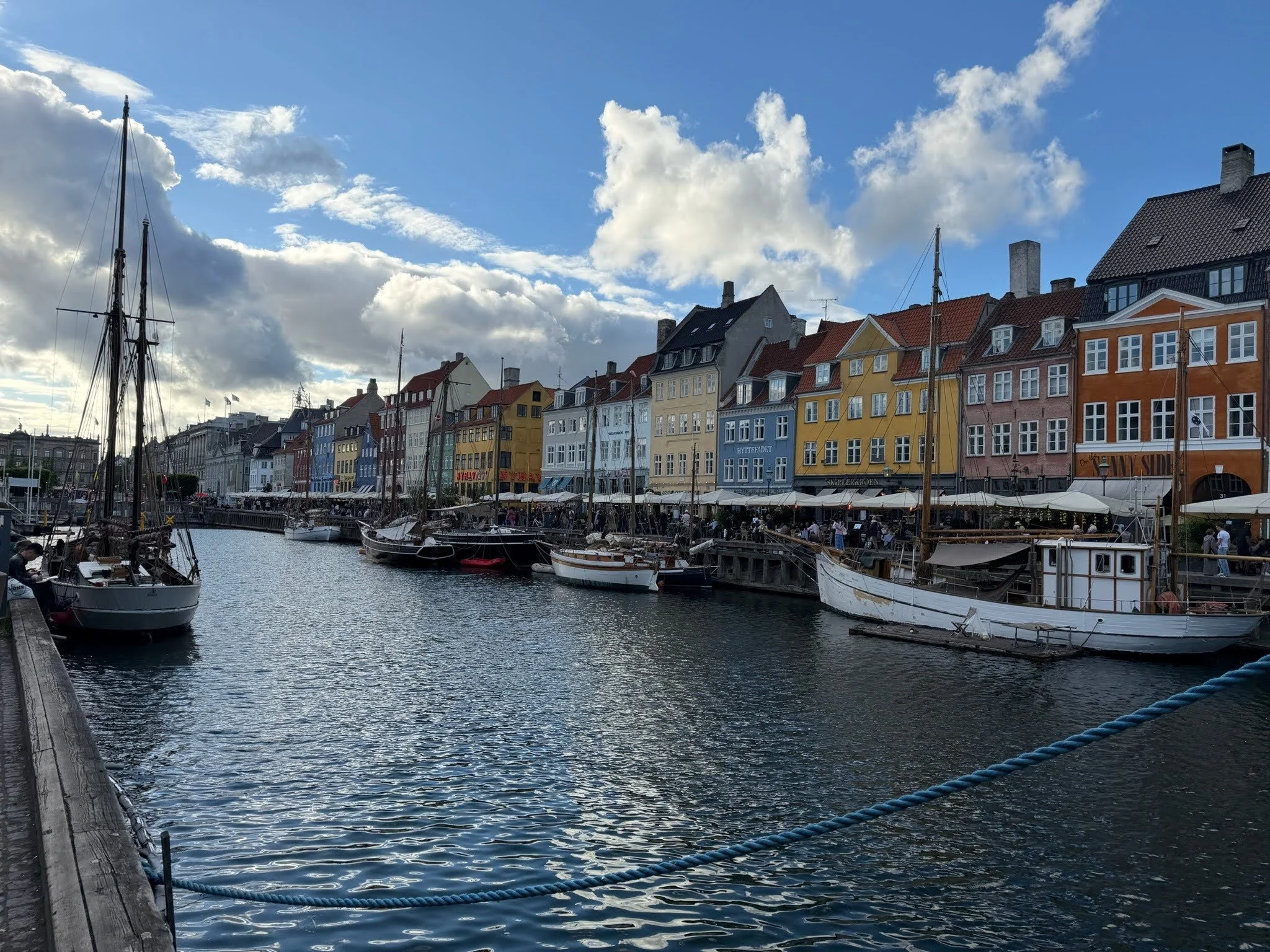
Jim and I are in Copenhagen, where 17.5 hours of daylight makes it hard to rest. There is so much light we have to use black out curtains and eye masks to sleep.
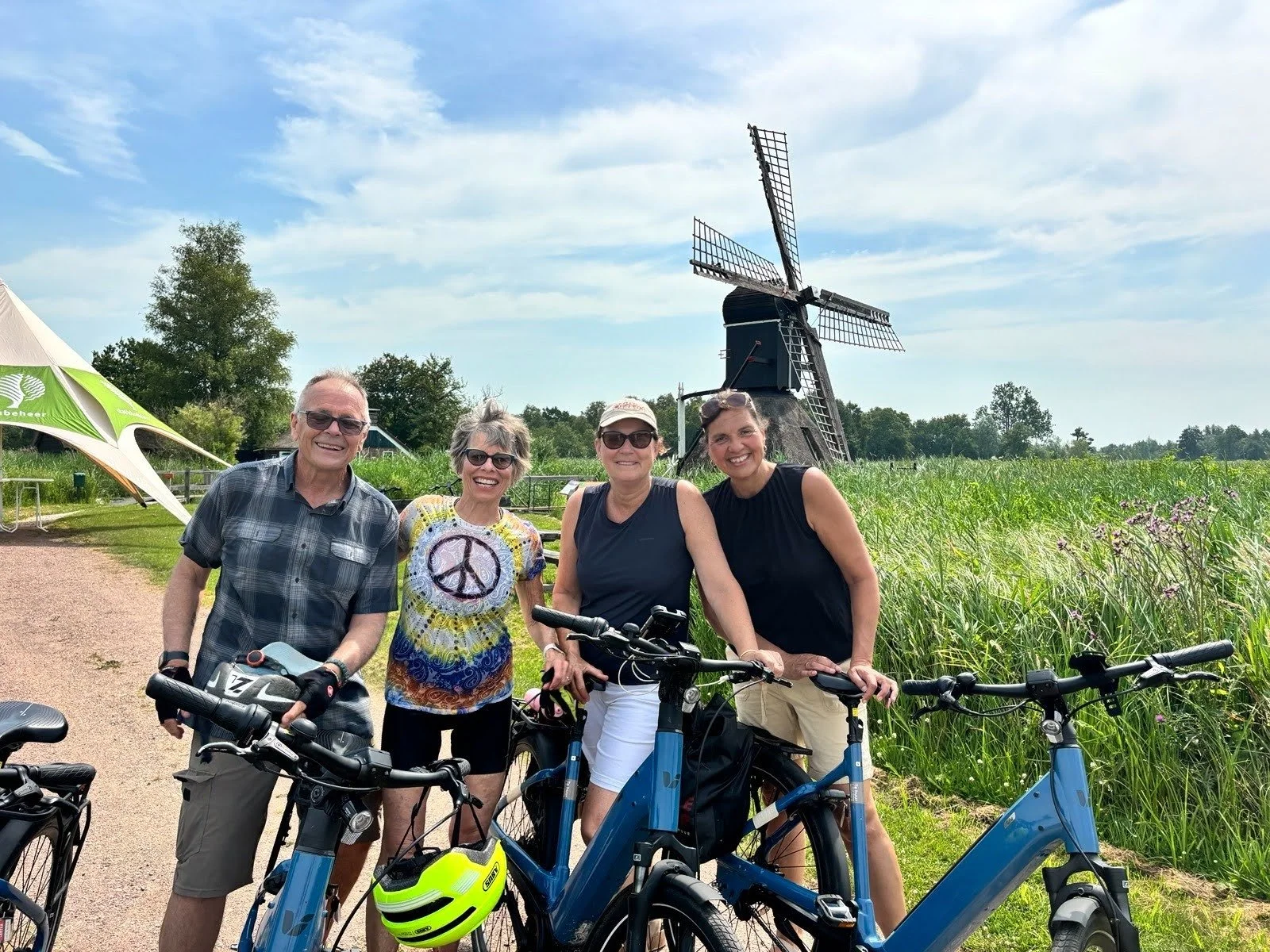
We’re nearing the end of two months in Europe where we have been doing lots of walking (10,000-20,000 steps/day) and have biked over 150 miles.
Today I am emphasizing the power REST!
Rest is good for the brain. Remember our brains take up much of our energy, so they need rest to reset and replenish. Sleep is important for consolidating memory, reducing stress, insulin resistance, and hypertension. Rest includes…
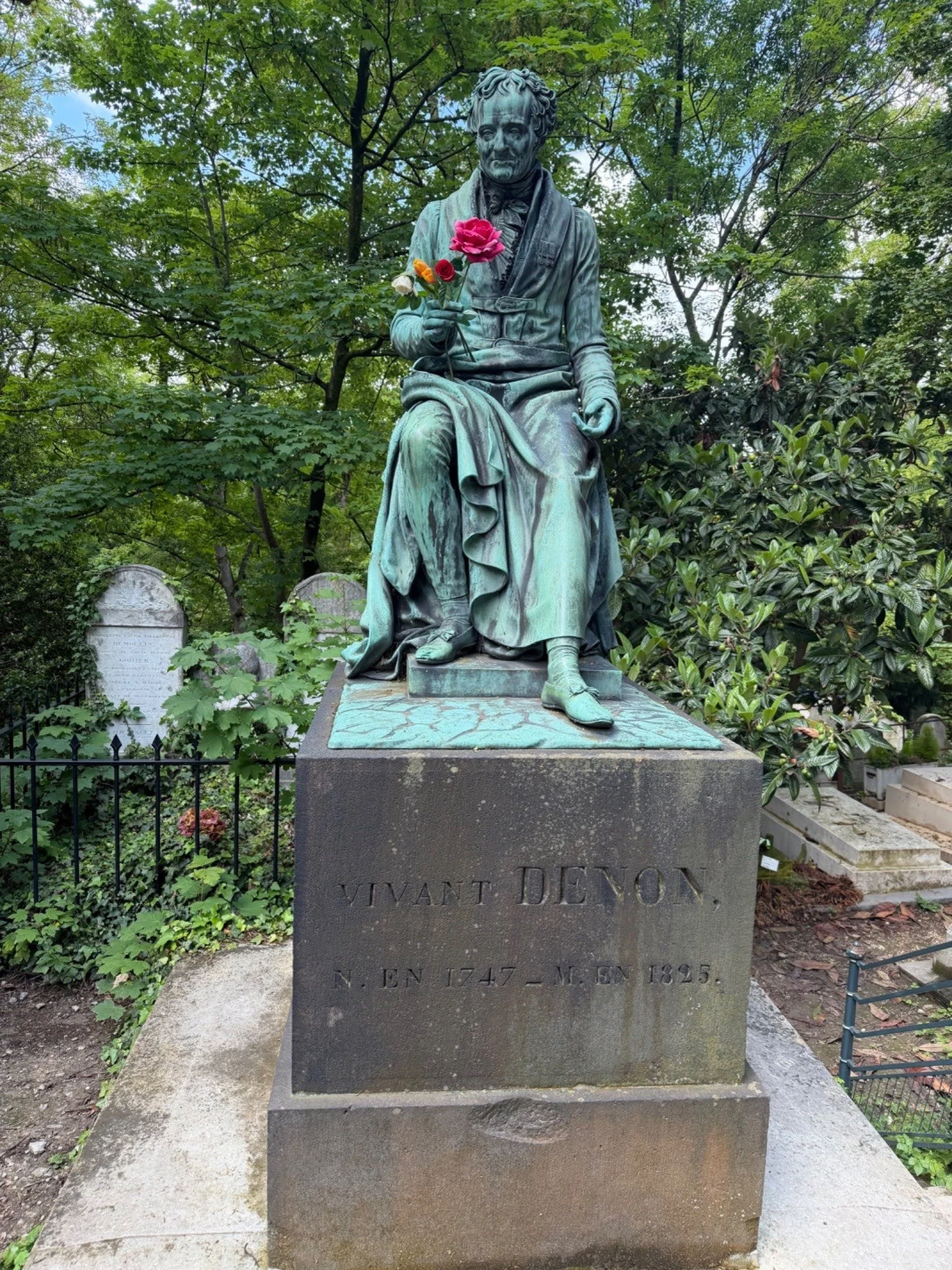
We are in Paris, my husband and I. Our son Ross arrives today.
We are staying in the 20th arrondissement known for its lack of tourists, diversity of vibrant cultures and delicious foods. Nearby is the vast, extraordinary cemetery, Père Lachaise, where art seems to follow you even among the dead. The narrow passageways wind between monuments and mausoleums draped in ivy. Resting here are luminaries whose work still echoes through our interconnected world: Édith Piaf, Oscar Wilde, Chopin, Jim Morrison. Walking the paths between crypts, I found myself thinking of…
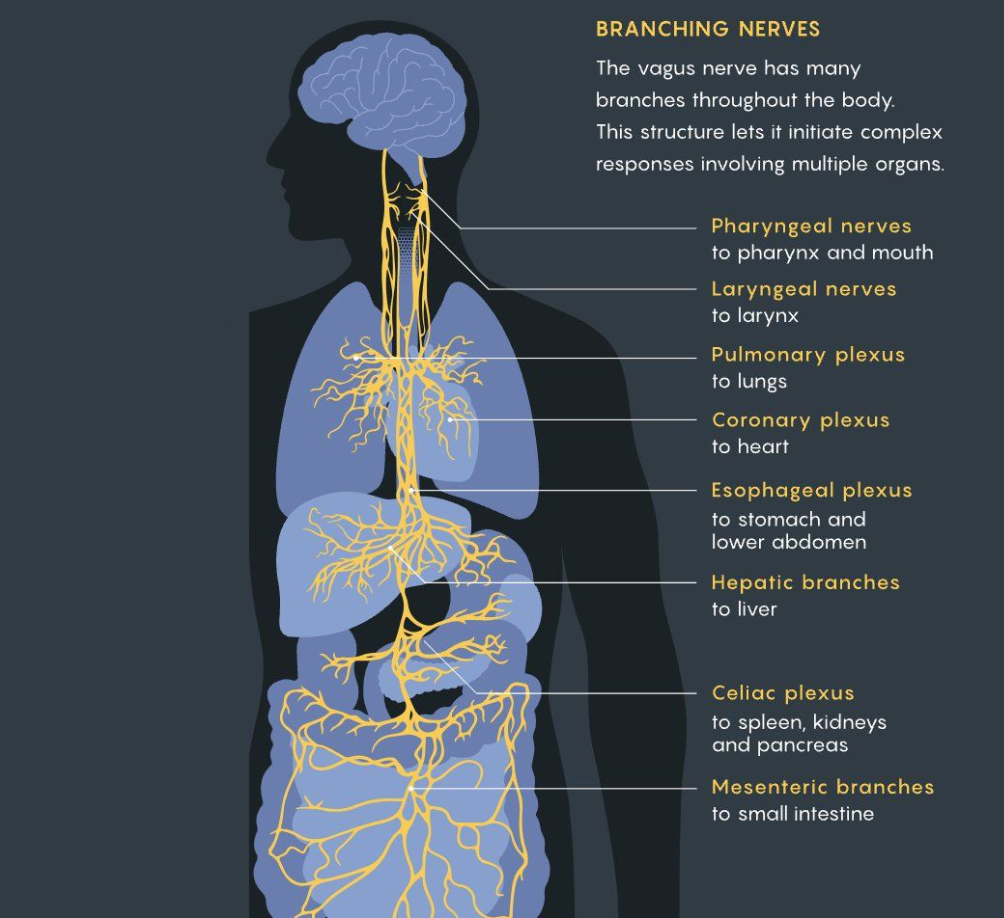
This month I’m focused on a superpower that has profound effects on our brain and body — one that most people have never heard of, even though it’s been working quietly on their behalf every single moment of their lives. It’s called the vagus nerve. An old but new player in brain-body communication. Think of this nerve as the…
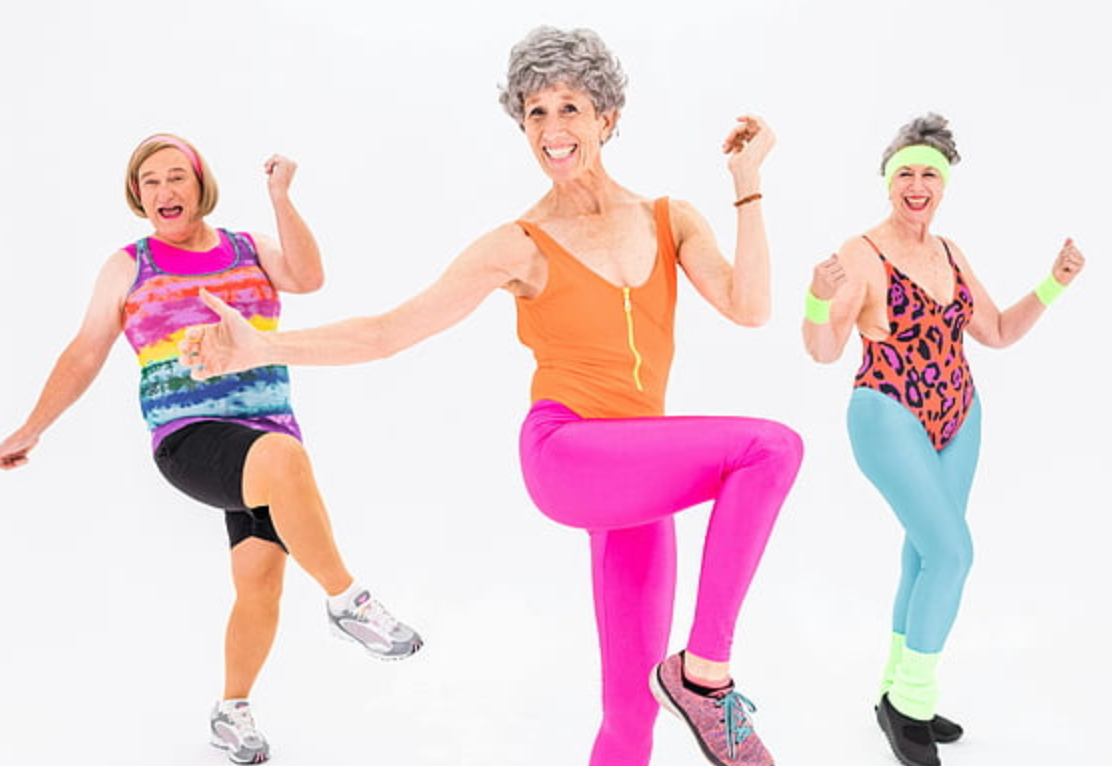
This just happened to me! While talking to a friend on my cellphone, she asked me for some information that sent me looking for my phone! Maybe you've had this happen to you?
Or, you get a quick message and somehow resurface 20+ minutes later, having learned something fascinating about Megan and Harry, or the crazy new gelatin diet. I hear versions of this from clients all the time, usually followed by: “Is something wrong with my brain?” Short answer: no. More accurate answer:…
Last month, we talked about your superpower of awareness. Many of your comments moved me to write more about how we can use that superpower to reduce cognitive impairment.
This month, I want to zero in on the Apolipoprotein E (APOE 4) gene, the reasons to consider…
Do you ever look in the mirror and think, “Who is that person?” More grey hair. Less hair. New lines in places that didn’t used to fold. Or you walk into a room and ask: "Why did I come in here again? Where did I put the… thing?"
Forget IMHO. The new acronym is WDIP—Where Did I Put…
It’s an easy slide from everyday forgetfulness into the number one fear of older adults…
2025
Remember when we used to think our brains stopped growing after age 16? Thankfully, science has shown that our brains keep changing and growing throughout our whole lives! But true brain growth isn’t just about collecting new facts: it’s about focusing on…

As we transition into autumn and winter, shorter daylight hours trigger real biological changes that influence mood, energy, and sleep. This edition focuses on how to support your brain through seasonal shifts — and includes updated Brain-Healthy Thanksgiving strategies to help you…

Last month we explored “Your Seasonal Brain.” This October, as autumn colors signal nature’s final transition, we turn to our own final season — the end of life. How do we prepare for this transition with clarity, dignity, and compassion — especially if…

In Northern California, we are already feeling changes in the air, temperatures cooling, shadows lengthening, fall is on the horizon. This month, we are going to discuss how seasons affect your brain health. We all know to keep seasons in mind for our food choices, but did you know…

What if I were to tell you there is an online program that assesses your brain health risks, provides a personalized plan to keep your brain optimized, and coaching to get you there? Count me in. Today I’m going to talk about achieving better brain health through this unique online platform called…

Testing is an important part of the process to help us untangle the dementia dilemma.
When my brother, sister, and I started to see brain changes in our parents, it took a number or years before they’re condition would be formally tested and diagnosed with dementia. Of course, we knew much earlier that something was wrong but couldn’t make sense of the problems we were seeing and we were unable to…

Dementia is tricky for our bodies and our brains. Like a curve ball, we can’t see it coming. It’s insidious and sneaky. It hides by attacking our brains at a snails pace. It doesn’t go for the jugular. It starts cutting like an evil editor on things you won’t notice. By the time you wonder if something is wrong with your brain, the damage is taking it’s toll. It’s a conundrum because memory impairment robs us of what just happened—our immediate—short-term memory. This is how it tricked scientists for decades leading to the…

Like many, our family has faced the challenge of navigating differences. When our parents developed dementia, it threw us unprepared siblings into a line of fire. We had been avoiding conversations about our dyed-in-the-wool identities for years. Suddenly, it was no longer optional to avoid one another. It has been a steep and windy journey learning how to compromise, communicate, and find our way through the minefields of…

We, humans, evolved in environments where constant scanning for threats and opportunities was essential for survival, wiring us for short bursts of attention. Our brains are especially drawn to novelty since anything new could be a potential danger or reward. At the same time, our working memory is limited — we can only hold a few pieces of information at once, making it hard to…

We used to think that most dementias belonged to a single cause. However, scientists have figured out that dementias have multiple causes. For instance, Alzheimer’s Disease (AD) is the most common form of dementia and vascular dementia is a close second. These two forms of dementia are not mutually exclusive. Indeed, they often present together. Which comes first is based on clinical presentation, signs and…

In Chinese Medicine, ‘the heart’ refers to the emotional link between mind and body. It is the sovereign organ that allows harmony. Our world seems far from harmonious, but that doesn’t mean you can’t develop practices to focus and shift yourself into a good emotional state. We call this a RESET. That’s what we need when we are deregulated, stressed, overexcited, agitated, restless, or flat and depressed.

Most people know about liver disease risk but not about the increased risk of cancer with alcohol consumption. For certain cancers, like breast, mouth, and throat cancers, evidence shows that the risk of developing cancer may start to increase around one or fewer drinks per day. For breast cancer specifically, 16.4% of total breast cancer cases are attributable to alcohol consumption.
2024

We began this year by introducing “precision medicine”, a medical model that uses your unique genes, proteins, environment, and lifestyle to tailor medical treatments and interventions. Precision medicine aims to provide the right treatment to the right person at the right time.
It’s officially autumn, and the trees here in our small town in northern California are showing off their beautiful colors. With Thanksgiving almost upon us, thoughts of gratitude naturally come to mind. For me, I am grateful for another year that I have not developed Alzheimer’s Disease. According to research, pausing for even a moment and reflecting on what you are thankful for helps down-regulate stress neurons from your 'to-do list' to a place of calmness. Consider it a gift to your body and brain.
You may have heard about the recent study that went viral, where a young Harvard medical student consumed 720 eggs in one month and saw a reduction in his cholesterol. This sensationalized news has large numbers of people rushing into grocery stores and divesting in their bitcoin to invest in eggs- haha- fake news! Our small brains think, oh great I can eat as many eggs as I want now (an example of false consensus effect).
I'm writing to you from France, where I attended Medical school in the 1980's. Jim and I have been studying French diligently for the last six months, renewing our love for this beautiful land and culture, not to mention its delicious food.
Just in the last few weeks since giving the keynote introduction to the Dementia Dilemma Conference there have been exciting breakthroughs in the field of AD research. I am over the top excited about these discoveries that are opening more doors to our understanding and growth in the field of neurodegenerative diseases.
Recently I was asked to talk about the “Dementia Dilemma” by Friends of Health. Some of you have asked for a copy of the talk so here it is. A video will be available on BBH website sometime in the future.
Cynthia Wall LCSW, opened with the following statement: "There is no shame, no blame about dementia! We are bringing dementia out of the shadows so we can see it, talk about it, figure out what we can do about it, and what we need to do about it!" The panel was composed of local experts in the field of dementia including a doctor, lawyer, fiduciary, senior care specialists, hospice providers, care alliances, and more. I was moved, honored, and inspired to be a part of it.
The last two BBH newsletters have been devoted to blood glucose and its effect on the brain. Being Citizen Scientists, we understand the importance of blood glucose and insulin resistance as a measurement of metabolic health and why it is a risk factor for Alzheimer’s Disease (AD). With our Continous Glucose Monitor (CGM) experiment last month, we discovered that blood glucose is dependent on many factors including the glycemic index and glycemic load of food and how we cook it, how ripe it is, what we pair it with, when we eat, how fast we ingest and digest food, how much we eat, and if we exercise after the meal.
Last month we did a deep dive into insulin resistance its relationship to our metabolic health and how it contributes to dementia, heart disease, and cancer. What did you think? Are you altering any habits or patterns around your sugar/carbohydrate intake? Maybe like me, you are becoming a label reader extraordinaire and discovering all kinds of things you didn’t know existed in the food you eat.
I am worried about OUR BLOOD SUGAR!
Maintaining healthy blood sugar levels is key to vitality, energy, and well-being. It has far-reaching effects on our health, emotions, mental stability, and ability to heal. Blood sugar is greatly affected by the foods you eat and the carbohydrates they contain. But keeping a proper blood sugar balance is a constant challenge in this culture of carb-laden convenience foods, fast food, and addictive foods. We all need carbohydrates, but most of us eat far more than the body can cope with efficiently. This can put us on the path to weight gain, diabetes, and dementia. We don’t have control over our genes, and have limited control over our environment. But we do have control over our daily food choices.
Women's History Month theme for 2024 is established by The National Women’s History Alliance and entitled: "Women Who Advocate for Equity, Diversity and Inclusion." The theme recognizes women throughout the country who understand that, for a positive future, we need to eliminate bias and discrimination entirely from our lives and institutions.
I am worried about your sexual health!
When was the last time your doctor asked you about your sexual health? Most likely never because in medical school we never learned how to talk about sex, so we didn’t. Sexual health has been taboo in our culture, and in our homes, but thankfully it is returning to be a ‘hot’🔥topic in health.
10 years ago an important study out of UCLA showed not only the improvement but the reversal of cognitive decline. Yes, I said reversal of cognitive decline. In 2016 there was a follow up report on 9 of those patients who continued their improvement. Many who were struggling at work could return, and their performance on cognitive testing such as the MoCa (Montreal Cognitive Test) reflected this. By 2018, another study followed with 100 people using the same multimodal approach.
2023
What a year it has been! We have learned many ways to prevent AD and begin better steps toward health. There are 6 million people with AD in the US and the numbers are expected to triple by 2050. It’s up to all of us as citizen scientists to focus on our health and spread the word about actions we are taking to reduce AD.
I’m celebrating this year along with our steep learning curve of subjects and the takeaways for improving brain health.
I sit to write this November BBH (BrainBodyHealth) Newsletter as the events unfolding in Palestine and Israel weigh heavily on my heart. How can I write about brain health at a time when so many are suffering?
When I think about the current wars in Israel and Palestine, Ukraine, and the many other armed conflicts around the world (there are 110), my mind turns to the effects wars are having on not only our lives but our brains. War destroys health care systems, social order, displaces families and populations, placing tremendous stress on our brains.
Alzheimer's Disease and Alzheimer's Disease Related Dementias (AD/ADRD) likely affects more than 6 million people in the U.S. and more than 55 million people worldwide.
AD starts 20 to 30 years before symptoms begin, yet we are hardly bringing this to the attention of our 30-40-year-old population. Refocusing our efforts on emphasizing PREVENTION and PRECISION MEDICINE is the paradigm shift we need.
Many of us recall childhood summers filled with lots of free time to play, explore, or just hang with friends. With school out and 3 months off it felt like true freedom. That’s what I have been exploring lately… this feeling of ease and freedom.
Despite feeling my Alzheimer’s Disease susceptibility clock ticking away as I enter my 70th year of life, I am touched, moved, and inspired by the conversations I am witnessing with people around the world, who want to do everything they can to prevent AD. We are the ones who are shifting the curve from fear to knowledge toward power and action.
In the May issue of BBH, I discussed genetic testing (GT) and how it led me to the APOE 4 gene connecting the dots of our family’s AD susceptibility. The BBH Program and this letter stemmed from the outgrowth of that testing. There is a backstory to GT related to this month’s topic on psychedelic medicine. It began with my waning enthusiasm for psychiatry and a one size fits all medication approach.
Somewhere around my 62nd birthday, I had a health emergent crisis aka a nervous breakdown. Until that time, I hadn’t thought much about Alzheimer’s Disease (AD). It was 2015 and my mother had just been diagnosed. One day I looked in the mirror and there was my great-grandmother, grandmother, and mother staring back at me. I thought…they all had AD. Did that mean I was going to get it too?
Since we know aging is the #1 risk of AD, I was excited to dig into Peter Attia’s new book, “Outlive, The Science and Art of Longevity”. In it, he sends a trumpet call to start taking health seriously, the sooner the better, challenging our binary thinking about health, illness, and aging. Utilizing batteries of tests to determine neurological, genetic, and physiological health, this is precision medicine at its best doing what it is supposed to do; zero in on what diseases we are the greatest risk for and develop an effective strategy to reduce them.
Spring has sprung in Mendocino County! Magnolias, plums daffodils, and calendulas are showing off their true colors. Like seasons, life’s challenges change similarly leading us to trust in the joy of it all unfolding in a remarkable way. The recent equinox where light and dark are held in perfect alignment may act as a reminder to bring greater balance into our lives with infusions of Vitamins J, F, and L (Joy, Fun, and Laughter).
With many loved ones coming into perimenopausal (PM) age and so much information coming out about why 2/3rds of Alzheimer’s Disease (AD) population are women, it’s a good time to talk about the chemical messengers that influence every part of the brain and body. I’m talking about testosterone in men and estrogen with progesterone in women.
Energy is defined as the ability and strength to do active physical things and the feeling that you are full of physical power and life. Maybe you’ve noticed as I have, that your energy level is not what it used to be. Our body's energy is created by specialized organelles called mitochondria in the form of ATP (Adenosine triphosphate), which are in every single cell of our body.
2022
As I look over the 2022 newsletters and review your feedback, I am filled with gratitude. When I started BBH Newsletter, I wasn’t sure if anyone was interested in reading about preventing dementia but you dear readers have proved me wrong. As I talk with you on the streets or during our coaching sessions, your thoughtful questions keep me writing and researching.
What do AD (Alzheimer’s Disease) and Cancer have in common - it turns out a lot. Since we had our prostate cancer awakening this year (see BBH July newsletter) hubby Jim and I have been learning many interesting facts about how AD and Cancer are hitched together. For instance, in the United States, heart disease is the leading cause of death with cancer and Alzheimer’s disease following closely in the top ten.
With Shakespeare’s plays and all good books, there is an introduction, plot, and conclusion, artfully woven with characters, conflict, and resolution. In the story of Alzheimer’s Disease (AD), we often find the focus on the introduction and plot, how to prevent this terrible disease from happening and what to do when it starts. There has been less information on how to face the later years of dementia, maybe because we’d rather hide and avoid the pain altogether.
Sometimes, when I’m reading the news and studies about Alzheimer’s Disease (AD), I feel like I’m in the middle of a detective novel or playing the family board game ‘Clue’. If only we could solve the mystery and find a cure. Or better yet if we could prevent the crime or stop AD, dead in its tracks from fast becoming the crime of this century. If you ever have played ‘Clue’, join me in the 3 questions as we explore this complicated and perplexing mystery of AD as we wait for Sherlock Holmes to be reincarnated.
My mission to be the first woman in my family NOT to develop Alzheimer’s Disease (AD) in 4 generations, has led me on an important journey often leaving me with more questions than answers. Since learning of my risks of AD, one of the central questions has been: what practices are best to ensure we keep our brains healthy as possible.
This month has been an exciting and busy one. As some of you know, a big part of the reason I write this newsletter is to get information out into the world about how to improve brain health. The current gap that exists between current research and scientific-backed interventions can take 10-20 years to make their way into clinical practice. I’ve personally run into this wall many times leading to the frustration that I’ve outlined in the BBH March Newsletter.
My mission with BBH has been to save every brain cell I can grow new ones in the process, and provide you with information to navigate towards preventing dementia. I want to be the first daughter in four generations of my family to not be diagnosed with Alzheimer’s disease (AD)! (See APOE4 Betty’s family AD story). I believe the healthier I am in mind, body, and spirit, the greater chance I have of preventing AD.
The pillars of BrainBodyHealth use the acronym SLEDS to describe the importance of sleep, learning, exercise, diet, socialization, and stress awareness. Last but not least, stress wakes us up to life’s challenges while at the same time providing access to antidotes within our very own body to alleviate its surge. The remedies I am referring to, breath and movement, are rooted in ancient practices to help calm the nervous system and enter a meditative state. Wendy Suzuki a neuroscientist modifies these breath and movement techniques making them applicable in our daily lives.
I didn’t plan to write about trauma this month, but the events of the world certainly changed that. Like me, I’m sure you have had Ukraine and Russia on your minds and hearts these past few weeks. I decided any discussion about BBH health needs to include the devastating effects war and resulting trauma has on all people especially women, children, and the subsequent generational trauma that informs conflict on a collective level. Here is an article from Lancet expanding on the humanitarian crisis war has on all of us.
I will break down the chain of information overload and provide you with current relevant information on brain body health issues including Alzheimer’s Disease (AD), research, literature, and best practices. Together with science-based practices and my own personal journey to prevent Alzheimer’s Disease, this newsletter will help foster your own journey and loved ones towards better brain health. Let’s get better together.