My mission is to be the first woman in 4 generations to not develop Alzheimer’s Disease (AD). On my journey of discovering ways to mitigate my risk, I pass this information on to you in this Brain-Body-Health (BBH) Newsletter.
Hello, Brain Body Health Citizen Scientists

Light, Walk, Feast: A Day of Thanks and Giving
For years, I dreamed of the perfect Thanksgiving table, complete with everything: the food, the colors, the matching napkins and stemware. That picture in my mind's eye was a throwback to Martha Stewart. Her image reminded me of how easy it is to go into the holidays with high expectations that can leave us stressed out and buzzing around like a little Miss Rushy.
In case you missed it:
we’ve been exploring our precious brain and real-life superpowers:
July: Your Super-Duper power of Exercise
August: The Superpower of Strength Training
September: The Superpower to Rewire
What changed my stress habit was a yoga class on Thanksgiving Day. I know what you are saying: "How can you fit in a yoga class on Thanksgiving?" Well, It wasn't the yoga class itself, it was what the class did for me. It interrupted a long held belief passed down from my mother and grandmother. Their example taught me it's OK to be stressed out on the holiday as long as everyone else was having a good time. As a result of that model, I began to fall victim to something called the Goldilocks Syndrome: Everything has to be "just right".
So what interrupted this pattern? Initially I wondered how I could possibly take this class and still get everything ready? It meant I had to delegate. So hubby stepped up and offered to cook the turkey. Then our son rose to the occasion and baked the famous "Lacy Dressing". I steamed the vegetables. Friends brought the dessert. The bottom line: suddenly, after years of being totally stressed out, I was calm, relaxed and naturally content and actually enjoyed Thanksgiving.
Interestingly, when the Goldilocks in me relaxed, I found that I made better choices around food, enjoyed the table conversations, and looked forward to the walk with family and friends after the meal.
You know from reading BBH, stress is not only a feeling: stress hormones such as cortisol raise blood sugar, so the calm we bring to the table is part of the glucose story we explored last month. This month I offer four simple moves, with no deprivation: delegate, get daylight, eat in a smarter order, and walk after the meal.
Last year I shared these 13 Brain-Healthy Thanksgiving strategies; this year, let's look at the science behind some of them.

Chase the light: why November matters
The clocks just fell back, and most of us now spend our short daylight hours indoors, under light far dimmer than the sky outside. A large new study suggests that matters for the brain. Researchers gave 87,577 adults in the UK Biobank wrist sensors that measured light for a week, then followed them for a median of 8.1 years; 741 developed dementia.
Spending more time in bright light reduced dementia risk by about 16%
Light sets the circadian clock, which shapes sleep, hormones, mood and metabolism.
Aim for at least 45 minutes of outdoor daylight a day, ideally in the morning or right after your meal.
P.S.: The oven light does not qualify. Ha ha!
This is an observational study. It shows an association, not proof that going outside prevents dementia. Bottom line: more light generally makes us feel better.
Walk it off, literally: movement after meals
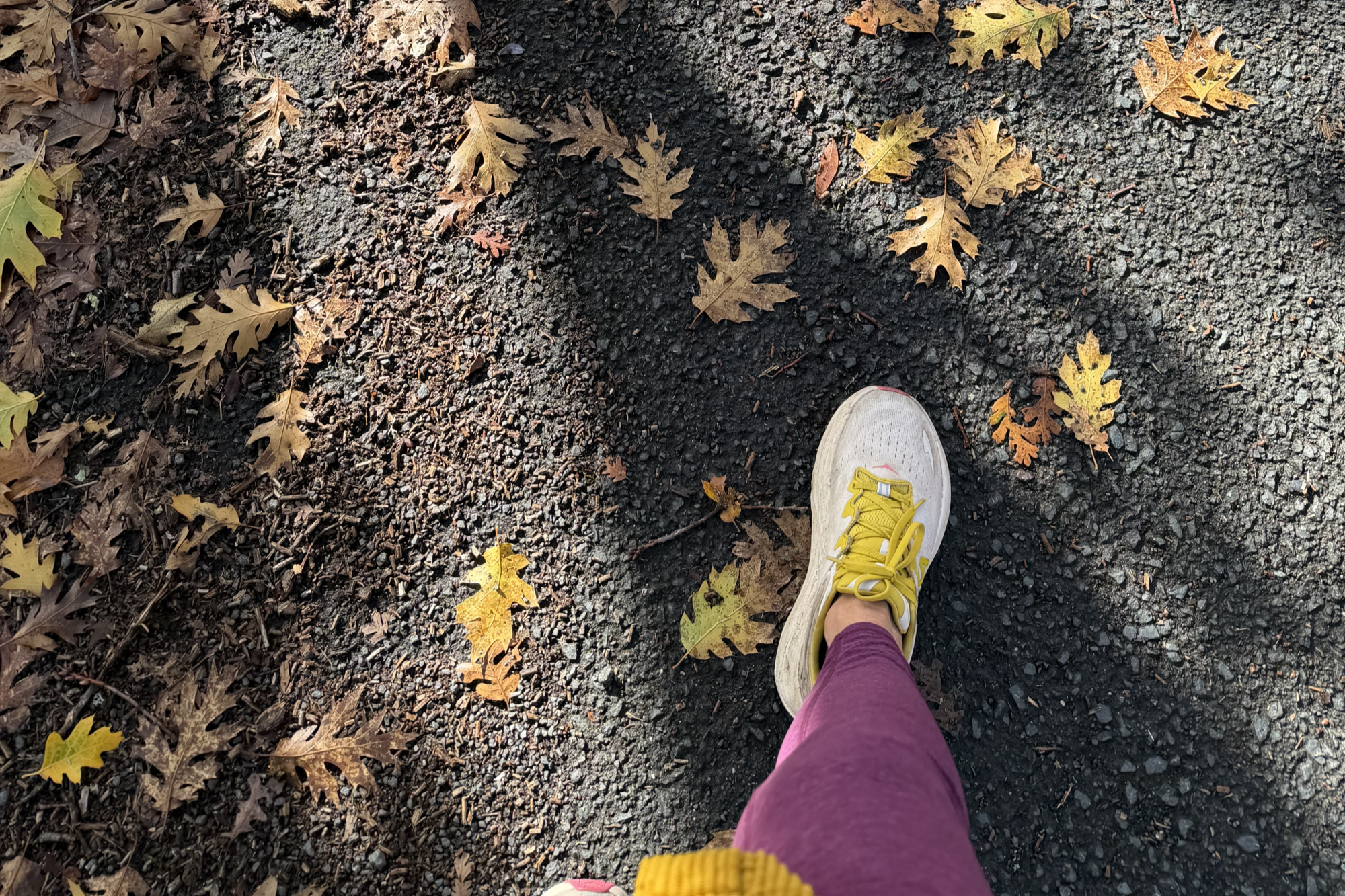
Last month we looked at how blood glucose rises after a meal. The good news is that your muscles can soak up much of that glucose if you move. You don't need a long workout. timing matters more than distance.
Three 15-minute walks after meals works as well as one 45-minute walk for 24-hour glucose control. The walk after an evening meal was the most effective.
Walking soon after eating catches the glucose rise, because working muscles pull glucose from the blood while digestion is still under way.
The holiday plate: strategies that steady glucose
You don't have to give up the foods you love on Thanksgiving. Small changes in order and timing can blunt the glucose spike without taking anything off the table.
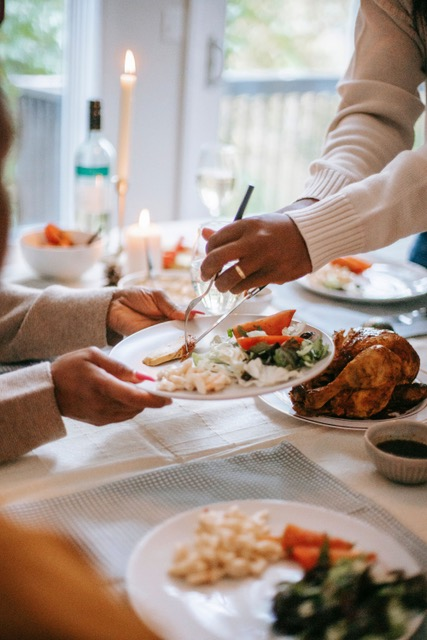
Eat your vegetables and protein first, carbohydrates last. In a 2015 study, eating the vegetables and protein first led to about 29% lower average post-meal glucose, and lower insulin, than eating the same meal carbohydrates first. Later studies found similar effects in prediabetes and healthy adults.
The Thanksgiving translation: salad, green beans, Brussels sprouts and turkey first. Then stuffing, potatoes and rolls. Pie last, as dessert, not as a separate snack two hours later.
Start the day savory. Don't skip breakfast to "save room" and then arrive starving. A protein-forward breakfast keeps the main meal from turning into a insulin spike.
Walk within 30 minutes of eating: make it a family ritual, 15 minutes around the block while it's still light out.
One feast doesn't undo a year of habits. What counts is getting back to your routine the next morning.
The gender lens
Women and men don't always respond the same way to the seasons, to meals, or to hormonal changes. Several recent findings make this issue especially relevant for women.
Seasons and mood: Women are about four times more likely than men to have seasonal affective disorder (SAD). In one UK study, women showed seasonal swings in depressive symptoms, peaking in winter, and men did not. Daylight may matter even more for women's brains.
Glucose differences: After a meal, women are more likely to experience a blood glucose spike, while men have higher blood glucose after fasting. That makes after-meal strategies especially relevant for women.
Menopause and stress: Menopause is a brain transition as well as a reproductive one. Losing estradiol leaves women more vulnerable to a dysregulated stress response. In menopausal women, higher cortisol has been linked to poorer attention and memory, lower mood, and greater insulin resistance, which ties stress right back to blood glucose.
Inherited roles: my story is a gender story too. For generations, women were raised to be the family's caretakers, and caring for others became the measure of our worth. So when a holiday arrives, caring easily tips into overcaring: the belief that if everyone isn't happy, we have failed, and that our own needs come last.
Awareness, your superpower: remember the three bears? They came home, asked "Who's been sleeping in my bed?" and woke Goldilocks up. At the holidays, we can set our own wake-up call by activating our Superpower of Awareness. You can't change what you don't notice. Start with the body: rushing, a tight jaw or shallow breathing are often the first signs of overcaring. Then name the thought behind it ("If everyone isn't happy, I've failed") and ask, "Is this mine to carry?" Finally, check in with yourself: "have I eaten, moved, and rested?" Each pause turns autopilot into a choice.
SLEDSSSS at the Thanksgiving table
Each of these holiday habits maps onto my SLEDSSSS program. One Thanksgiving Day can touch six of the eight pillars.
Sleep: Daylight anchors your body clock, so you sleep better that night.
Exercise: An after-dinner walk, reduces blood sugar, improves sleep.
Diet: Vegetables and protein first, pie last.
Stress reduction: Break the inherited pattern. Delegate, and protect one hour for yourself; for me, it was a yoga class. A walk outside also resets a crowded, noisy day.
Socialization: Conversation changes when we are outside and moving.
Sensory health: Bright natural light on your eyes and skin can help stabilize mood.
Closing: a one-glance holiday playbook
Here is the whole plan at a glance. Clip it, stick it on the fridge, and share it with whoever is cooking with you this year.
Delegate early, and keep one hour of the day for yourself.
Start with a savory, protein-forward breakfast.
Get 45+ minutes of daylight before the meal.
At the table: vegetables and turkey first, starches next, pie last.
Walk 10 to 15 minutes within half an hour of finishing.
Next morning: back to your usual routine.
Finally, a word of gratitude. Thanksgiving is a day of thanks and giving, and that includes giving to ourselves: an hour of quiet, a walk in the light, a plate that loves our brain back. This year I am grateful for you, my readers, for your questions and your stories, and for our family and friends who help out. May your table be full, your walk be bright, and your heart be at ease.
Attention: Brain Body Health is now on Substack. You can download it on your mobile device or computer.
Creating each newsletter takes dedication and passion. Supporting this work ensures it can continue to inspire and educate.
Venmo: @bettyglacy
PayPal: @BettyLacy932
To optimal health and peace for all!

Subscribe to the email list for news and updates on Body-Brain Health
bettylacymd@gmail.com
Brainbodyhealth.org
For more information on Coaching sessions: Contact Dr. Betty @ bettylacymd@gmail.com for an appointment.
Brain & Body Health Newsletter | All content is for educational purposes. Please consult your physician for personal medical advice.
“If you want to go FAST, go alone. If you want to go FAR, go together."
- African proverb
To our optimized health!