December 2025 Newsletter: Our Brain Growth 2025: A Review
My mission is to be the first woman in 4 generations to not develop Alzheimer’s Disease (AD). On my journey of discovering ways to mitigate my risk, I pass this information on to you in this Brain-Body-Health (BBH) Newsletter.
Hello Brain Body Health Citizen Scientists
Our Brain Growth 2025: A Review
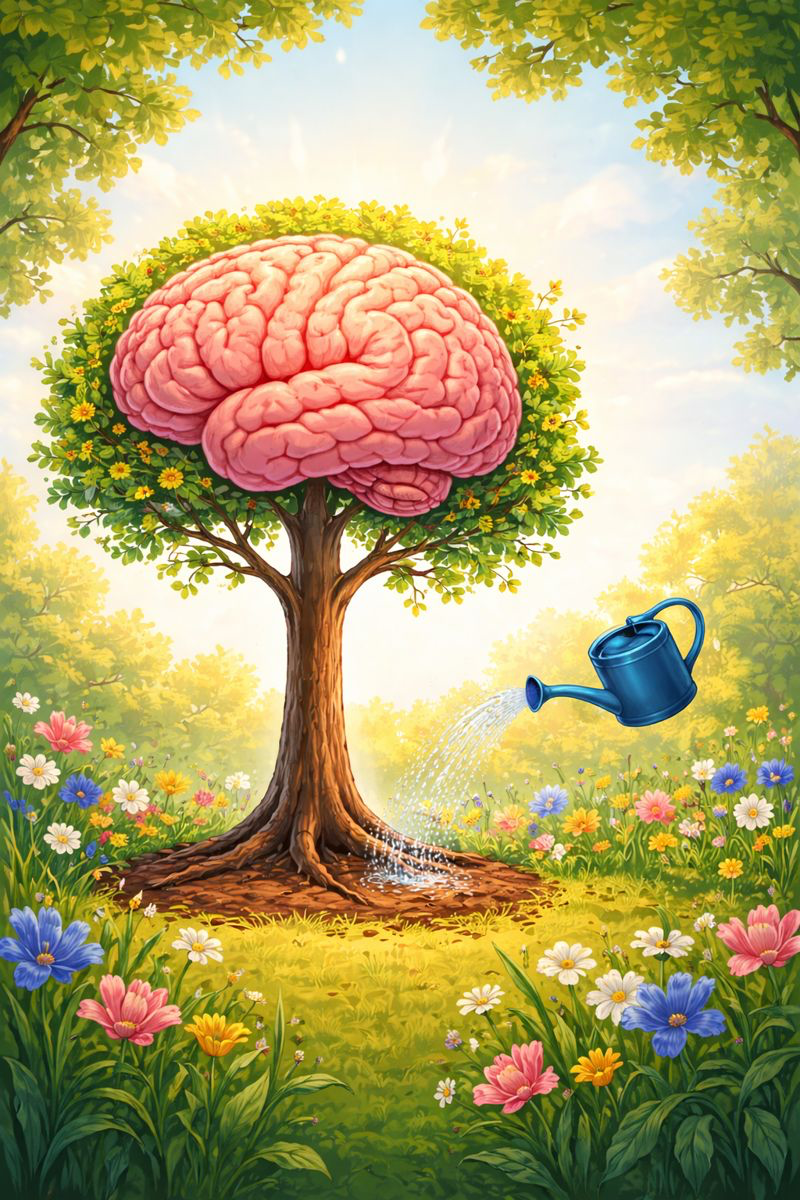
Remember when we used to think our brains stopped growing after age 16? Thankfully, science has shown that our brains keep changing and growing throughout our whole lives! But true brain growth isn’t just about collecting new facts: it’s about focusing on what matters and making those lessons last, which takes a bit of repetition and consistency. To help you stay sharp and celebrate everything we’ve learned together, here’s a recap of this year’s Brain-Body-Health Newsletters, complete with some brain teasers for extra fun. Enjoy the re-read!
January: 🧠 Alcohol and the Brain
In January, we learned about current research showing no amount of alcohol is safe. Even low levels increase the risk of cancer, dementia, heart disease, and accelerated brain aging, especially for women and older adults. New evidence challenges alcohol-inclusive diets, and the Surgeon General recommended adding _________ to alcoholic beverages. Encouragingly, up to 45% of memory impairment may be preventable through lifestyle changes, including reducing alcohol use.
February: 🧠 HEART HEALTH - the physical and emotional parts
The focus in February, was caring for your emotional and physical heart and the holidays are the perfect time to put that wisdom into action! Using simple mindfulness tools like deep breathing, body scans, or even savoring your favorite holiday treats mindfully can help you ride out seasonal stress and keep both your brain and heart happy. So as you celebrate, take a few moments each day to slow down, notice how you feel, and let your mind and heart find some festive calm, because a little _____________ is truly a gift to you and our world, especially now.
March: 🧠 Statins and Brain Health
Grappling with what to do with high cholesterol and inflammatory markers, March BBH News outlined the decision making process involved in evaluating the pros and cons of statins while addressing the #2 most common cause of memory impairment, vascular dementia. Top factors in preventing vascular dementia (cerebral small vessel disease) are controlling vascular risk factors: 1) ________, 2)_________ and, 3) _________ .
April: 🧠 The Brain Science of Attention
Here’s a memory test for you: Brain health overtook the airwaves in April, when this published study showed the effect of disabling ________ for just 2 weeks produced brain changes that caused improved sustained attention comparable to reversal of a decade of age related decline. The good news: attention is a muscle and it is trainable.
May: 🧠 Political Avoidance and the Brain
May BBH News was prompted by statistics that 1 in 3 families are not talking to one another; a trend that’s not just sad, but tough on our brains and our society. Avoiding uncomfortable __________, especially around politics and beliefs, might feel safe, but dodging these tricky topics actually wires our brains for stress, dulls our empathy, and turns our thinking into an “us vs. them” showdown. Instead, daring to listen, ask curious questions, and stay present can flex our brain’s “nuance muscles,” boost resilience, and help us find common ground, proving that a little courageous conversation might just be the best brain food of all. This was one of the more popular newsletters of the year and my personal favorite.
June/July: 🧠 From Awareness to Action and Testing!
June and July BBH News looked into signs differentiating normal aging versus memory impairment. Cognitive impairment is tricky. The most important way to assess memory is via _________. We explored online cognitive tests and blood testing for phosphorylated tau, a biomarker for Alzheimer's and other dementias. You can now access your own MoCa, Montreal Cognitive Assessment Tool, used by most providers, via this link.
August: 🧠 Better Brains
In August, I introduced BetterBrain.com, an online platform that many of you have already signed up for. Better Brain is precision medicine-focused and affordable. It's my top choice to assess your risk of dementia and guide you with individualized, actionable goals towards better brain health. At this time, I am referring all my new coaching clients to Better Brain. Schedule a 15 minute consultation with Better Brain. As a Brain Body Health Citizen Scientist, you are eligible for a discount. Use my code BETTY100 for $100 off.
September: 🧠 Seasons Change Our Brains
In September we began a deep dive into how seasons affect our brains. The Bottom line: seasons mess with light, temperature, and our daily habits, which can impact mood, energy, and sharpness. In autumn, less sunlight can trigger the blues or seasonal affective disorder (SAD), especially in _________, while chilly weather tempts us to move less and stay in. To stay sharp and upbeat, soak up sunlight when you can, savor seasonal foods, keep moving, and stay connected with friends.
October: 🧠 Planning for Dementia and End of Life
As autumn encourages reflection on life’s transitions the October newsletter shifted focus to end-of-life planning, especially when dementia may be involved. Inspired by the joyful remembrance of Día De Los Muertos, it emphasizes that preparing for death, through honest conversations, naming a healthcare agent, and completing directives (including dementia-________ ones), as a loving, empowering act that ensures your care, respects your wishes and spares loved ones from difficult guesswork. While options like Medical Aid in Dying (MAID) are limited for dementia in the U.S., early planning, clear communication, comfort-focused care, and practical steps like video directives help people retain dignity, reduce fear, and find meaning in closure.
November: 🧠 Sleep & Dementia Prevention
As winter days get shorter and our rhythms shift, our bodies crave more rest, making quality sleep essential for memory, brain detox, and lowering dementia risk, even more important. Certain medications like antihistamines, benzodiazepines, some antidepressants, and opioids can disrupt sleep and worsen cognition, so check with your clinician if you have concerns. Support healthy sleep by sticking to a __________ schedule, getting morning light, using calming routines before bed, and avoiding blue light from screens. Around the holidays, eat mindfully, limit alcohol, stay active, and reach out to your healthcare provider if sleep troubles persist.
As the year draws to a close, I want to thank you for your curiosity and dedication. Together, we grow stronger and wiser. I hope you’ve enjoyed reading the Brain-Body-Health Newsletter as much as I’ve enjoyed putting it together for you. Brain health is still a young, expanding field, and I’m excited to keep exploring it with you as we each learn what works best for us—true “N=1” experiments. Wishing you a season filled with health, warmth, good rest, and meaningful connections. Thank you for being part of this journey, and happy holidays to you and yours!
ANSWERS TO BRAIN TEASERS:
January: Surgeon General recommended adding warning labels.
February: Add a little mindfulness.
March: Reduce vascular risk factors:
Blood pressure;
Cholesterol and diabetes;
Regular exercise.
April: Disabling Smart Phones for just 2 weeks produced brain changes that improved sustained attention.
May: Avoiding uncomfortable conversations, especially around politics and beliefs, might feel safe, but dodging these tricky topics actually wires our brains for stress, dulls our empathy, and turns our thinking into an “us vs. them” showdown.
June/July: The most important way to assess memory is via regular testing.
August: Schedule your assessment with Betterbrain.com.
September: In autumn, less sunlight can trigger the blues or seasonal affective disorder (SAD), especially in women.
October: Preparing for death through honest conversations, naming a healthcare agent, and completing directives (including dementia-specific ones).
November: Support healthy sleep by sticking to a regular schedule, getting morning light, using calming routines before bed, and avoiding blue light from screens.
Attention: Brain Body Health is now on Substack. You can download it on your mobile device or computer.
Creating each newsletter takes dedication and passion. Supporting this work ensures it can continue to inspire and educate.
Venmo: @bettyglacy
PayPal: @BettyLacy932
To optimal health and peace for all!

Subscribe to the email list for news and updates on Body-Brain Health
“If you want to go FAST, go alone. If you want to go FAR, go together."
- African proverb
To our optimized health!